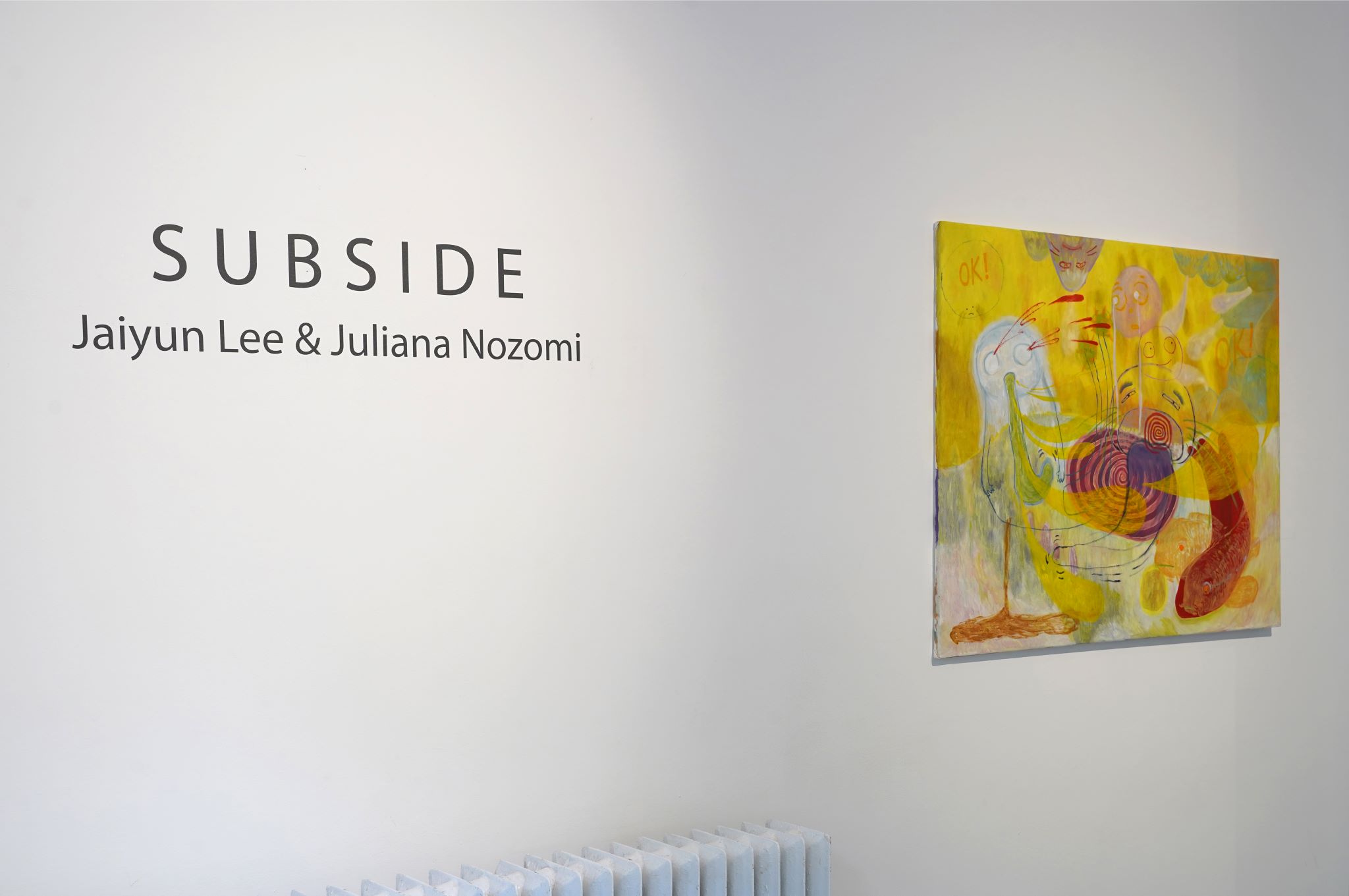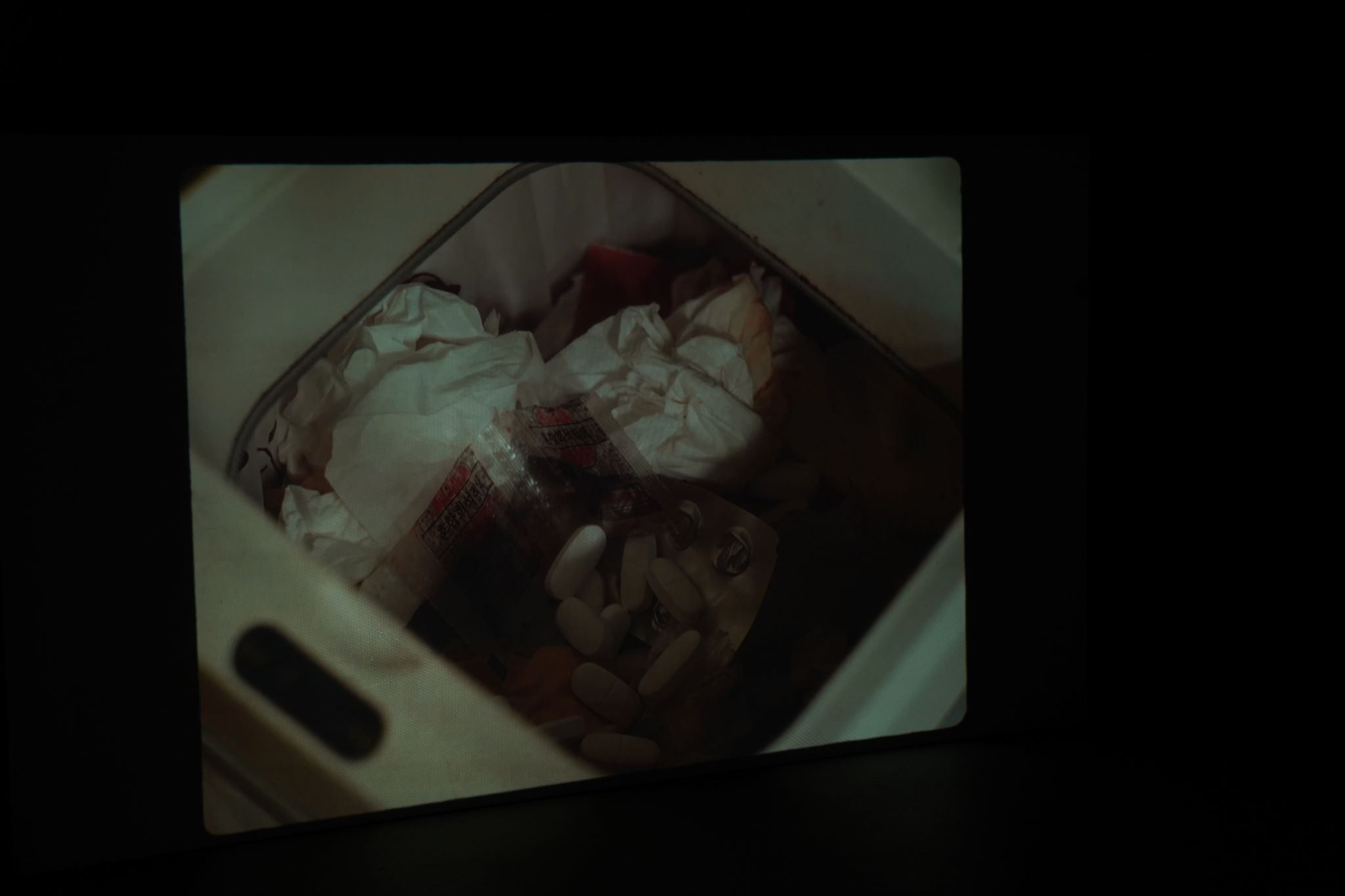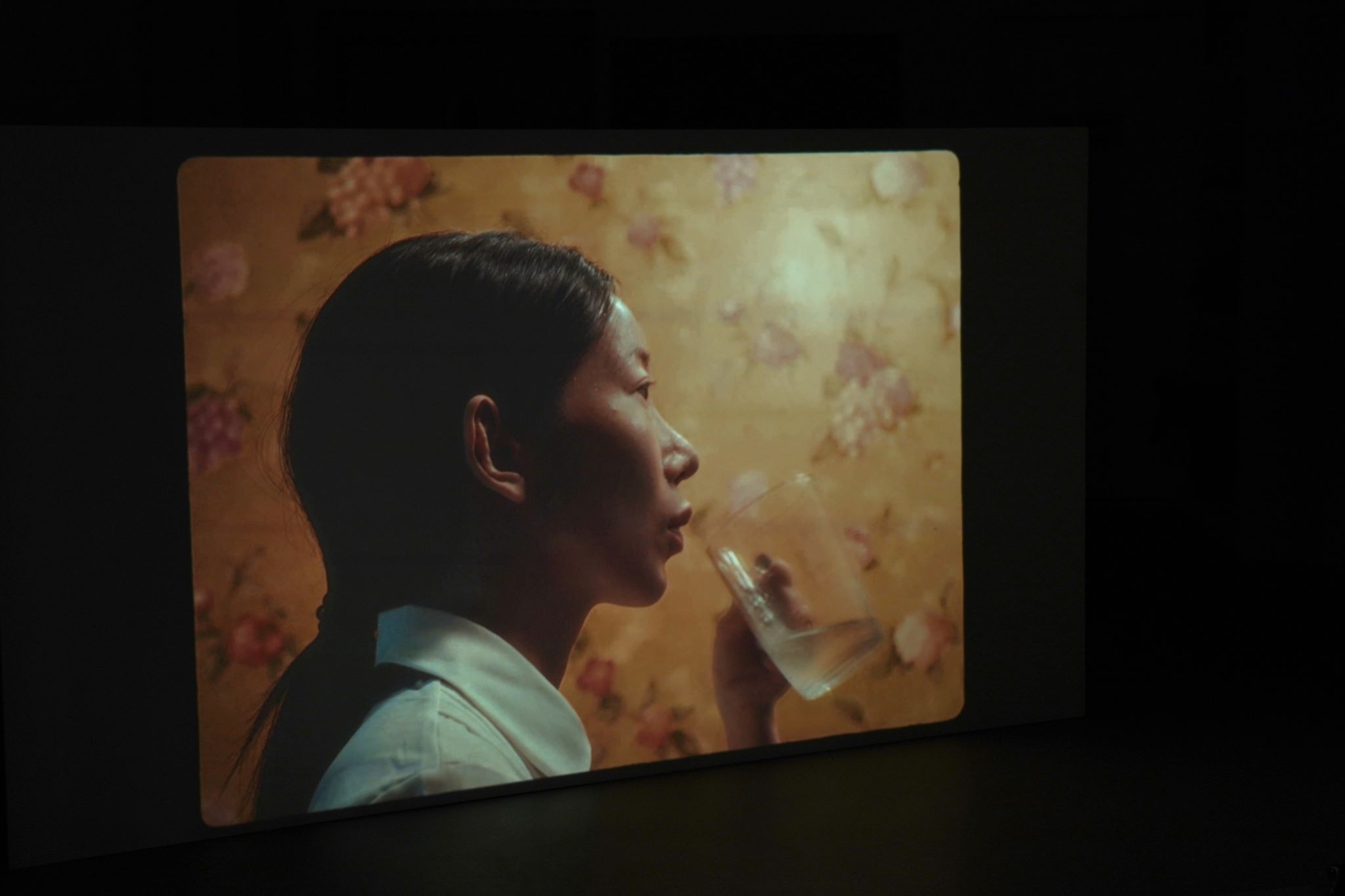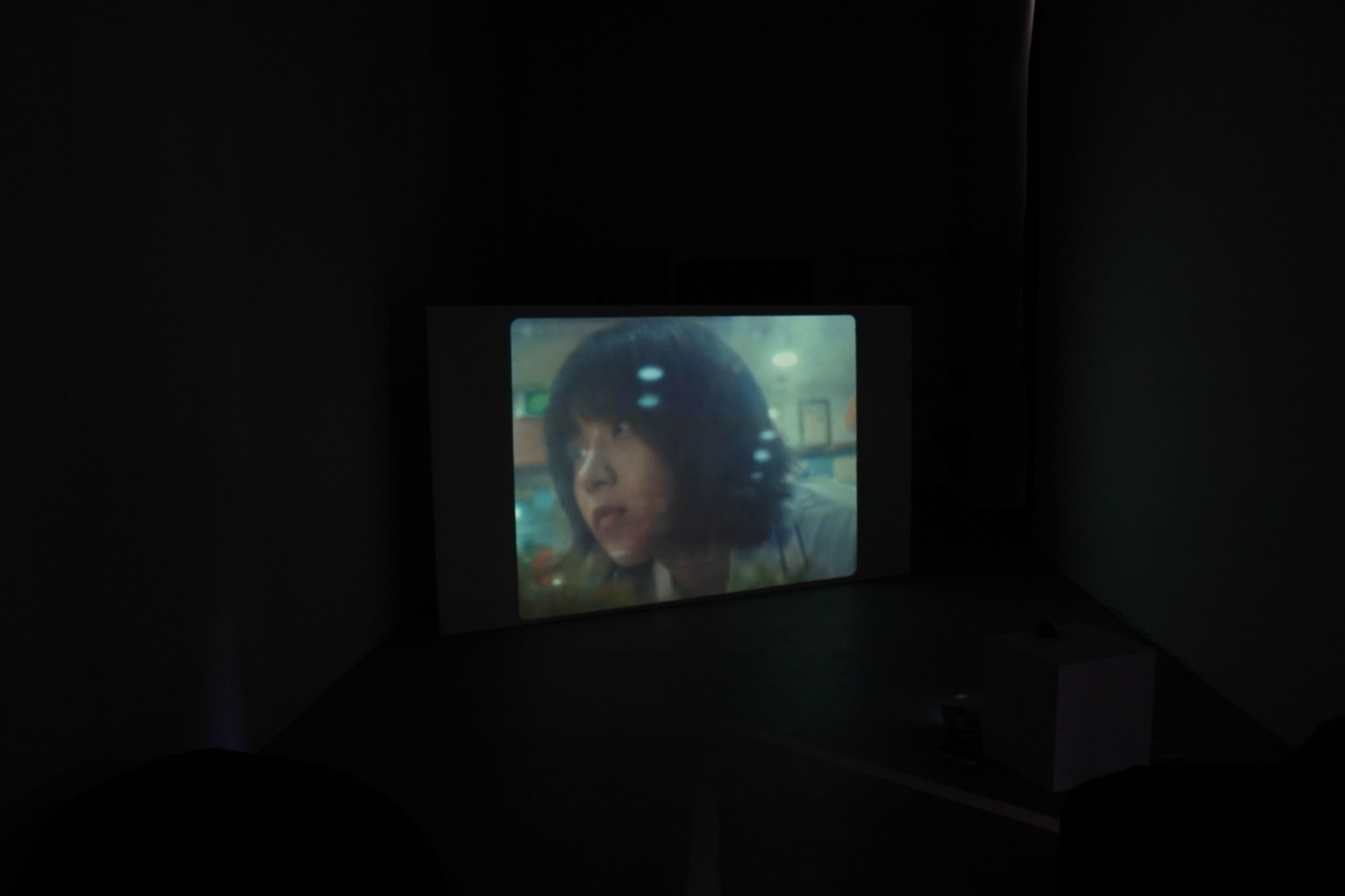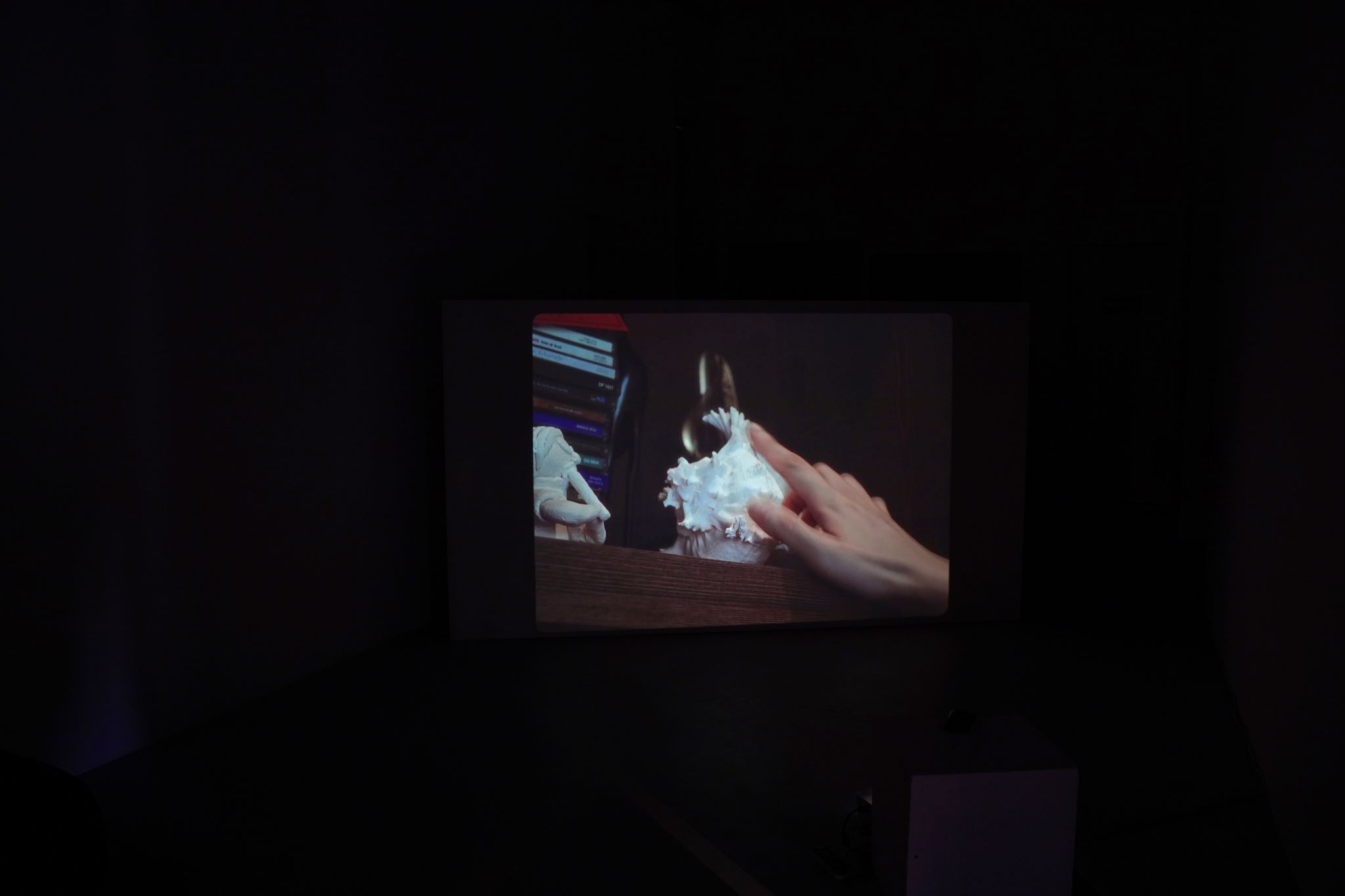
Subside
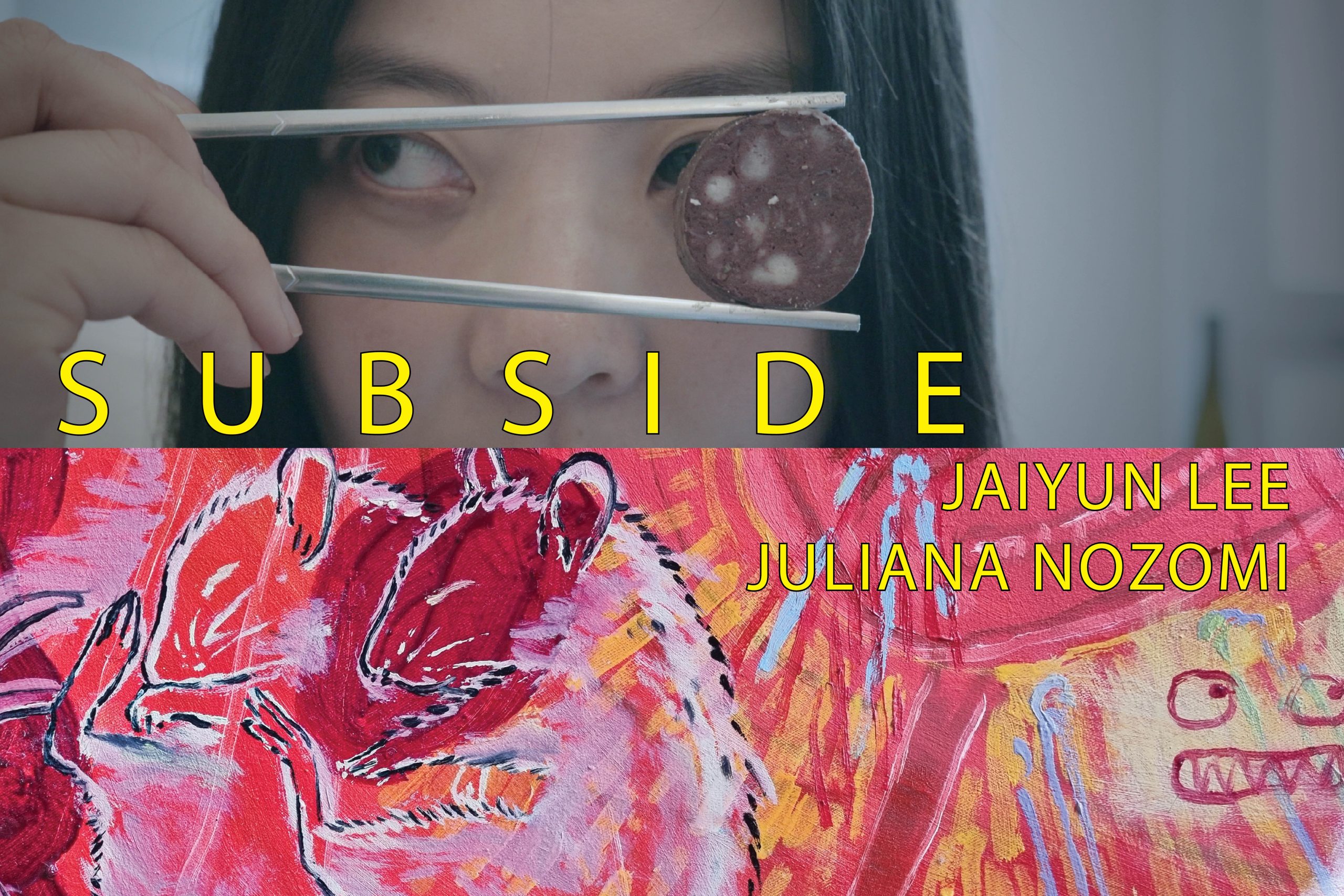
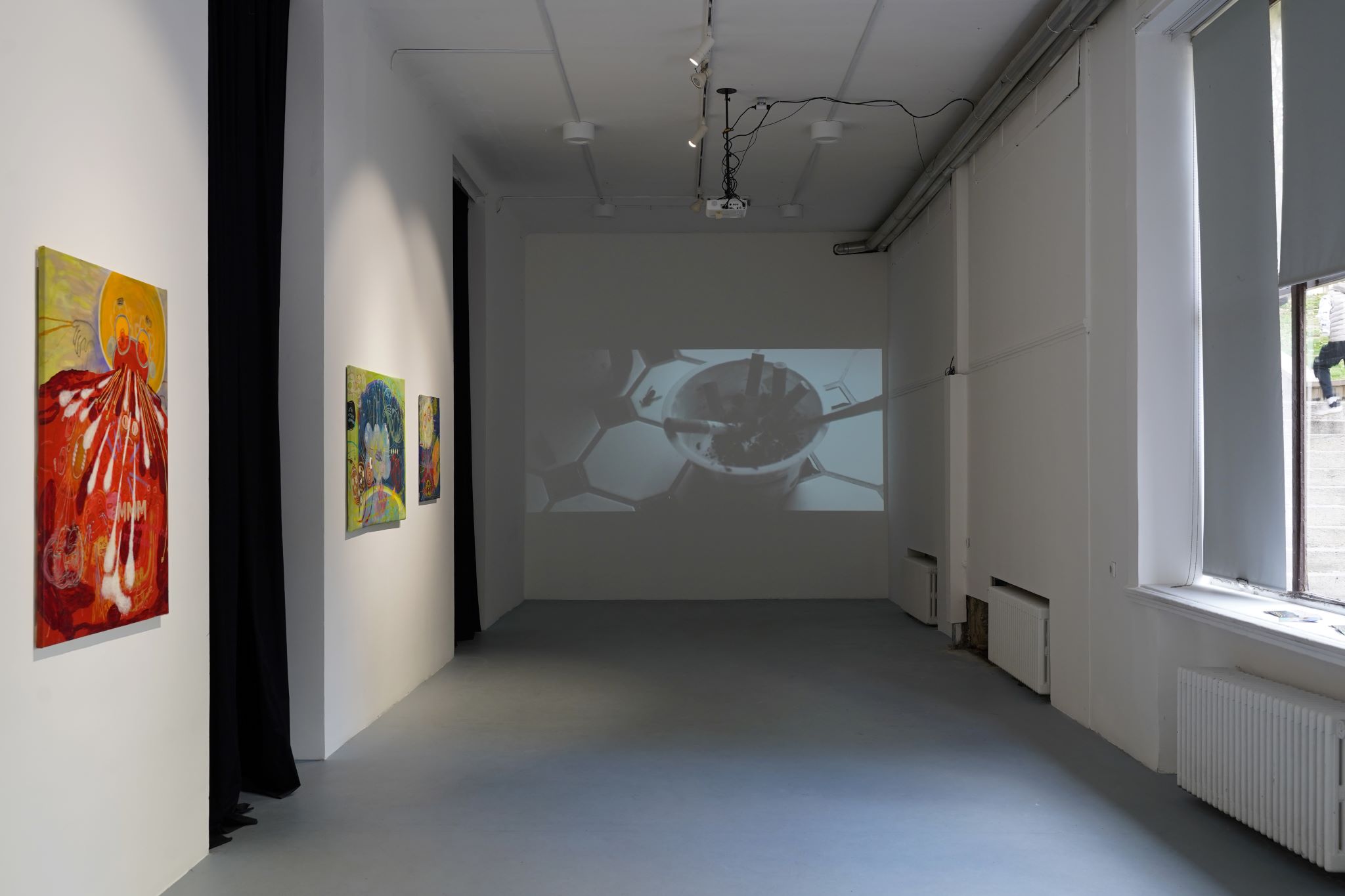
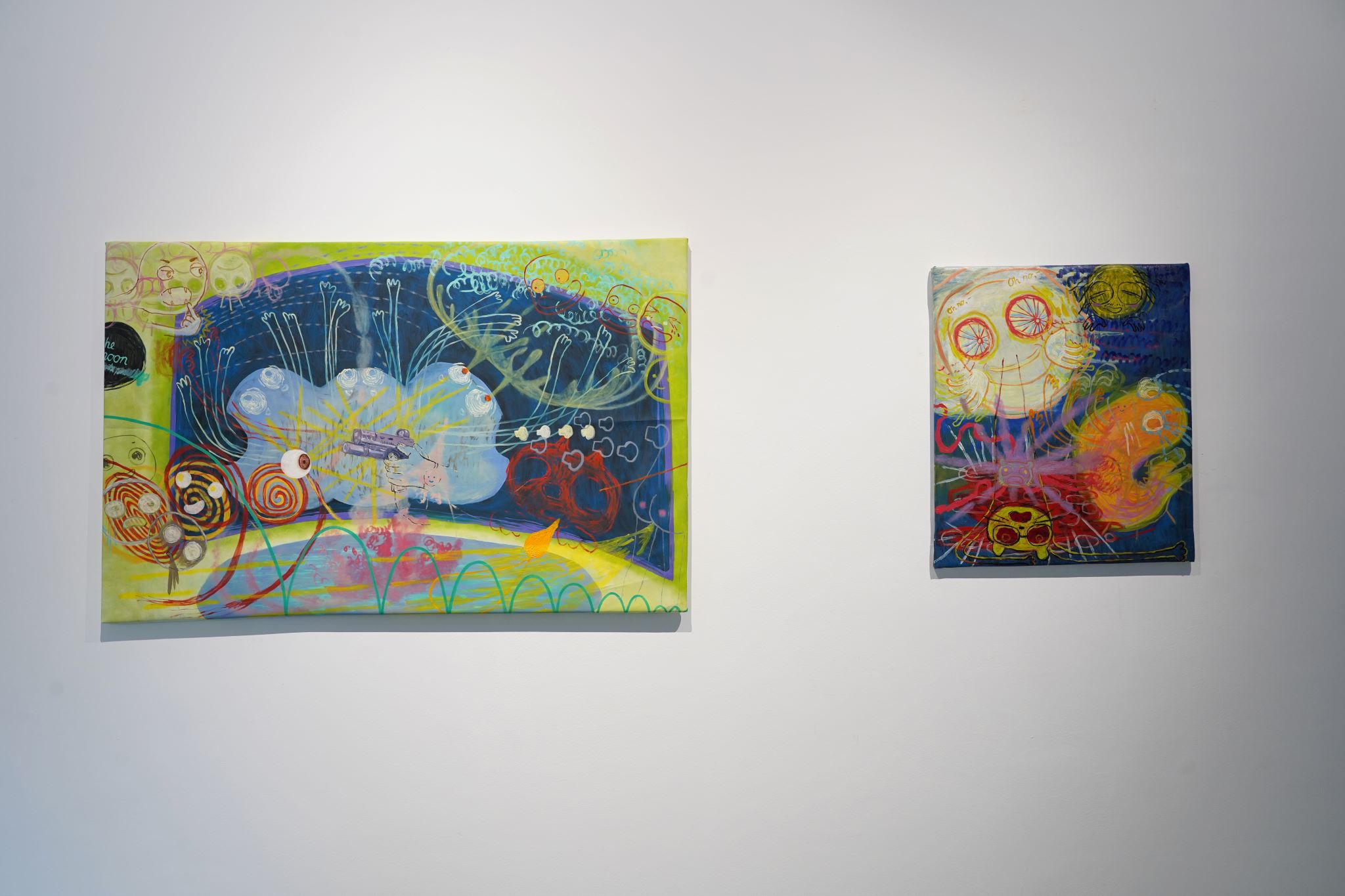
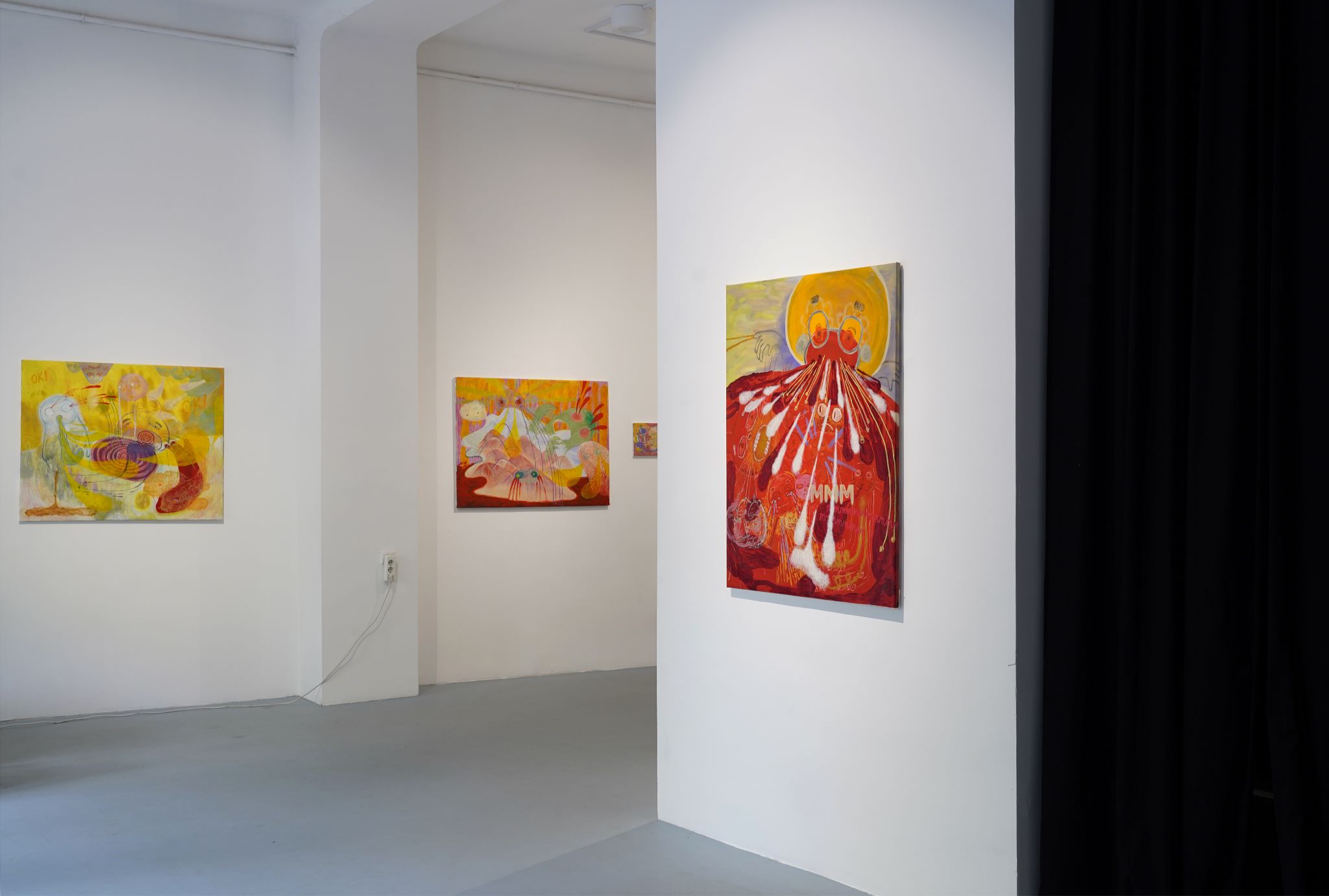
Both Juliana Nozomi and Jaiyun Lee delve deeply into the psychological and emotional undercurrents of contemporary society, using their respective mediums such as painting and film in order to explore the invisible yet crushing weight of modern life. Their works converge thematically around mental health, societal alienation, and the individual’s struggle for self-understanding and liberation within systems that promote conformity, acceleration, and isolation.
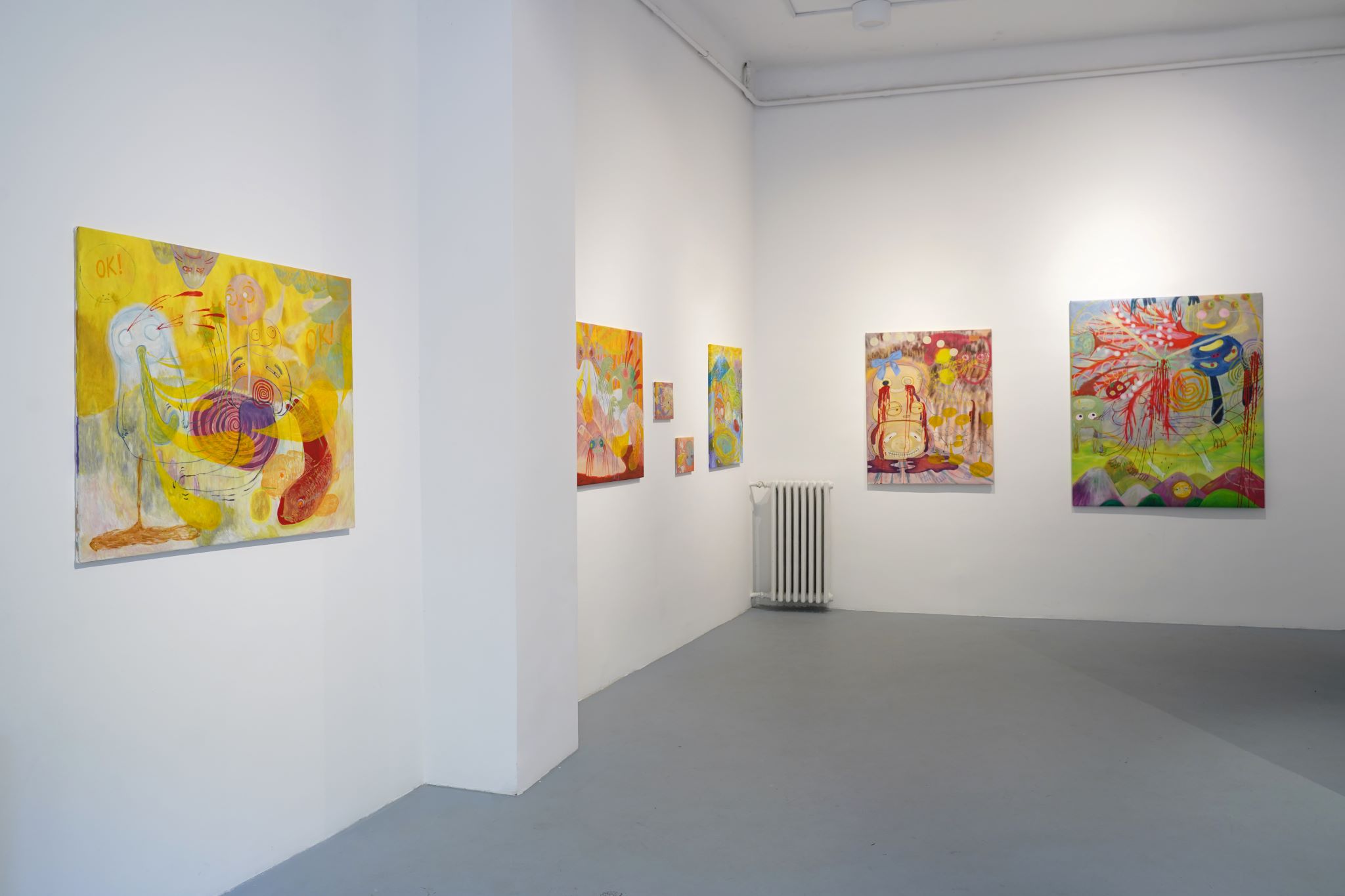
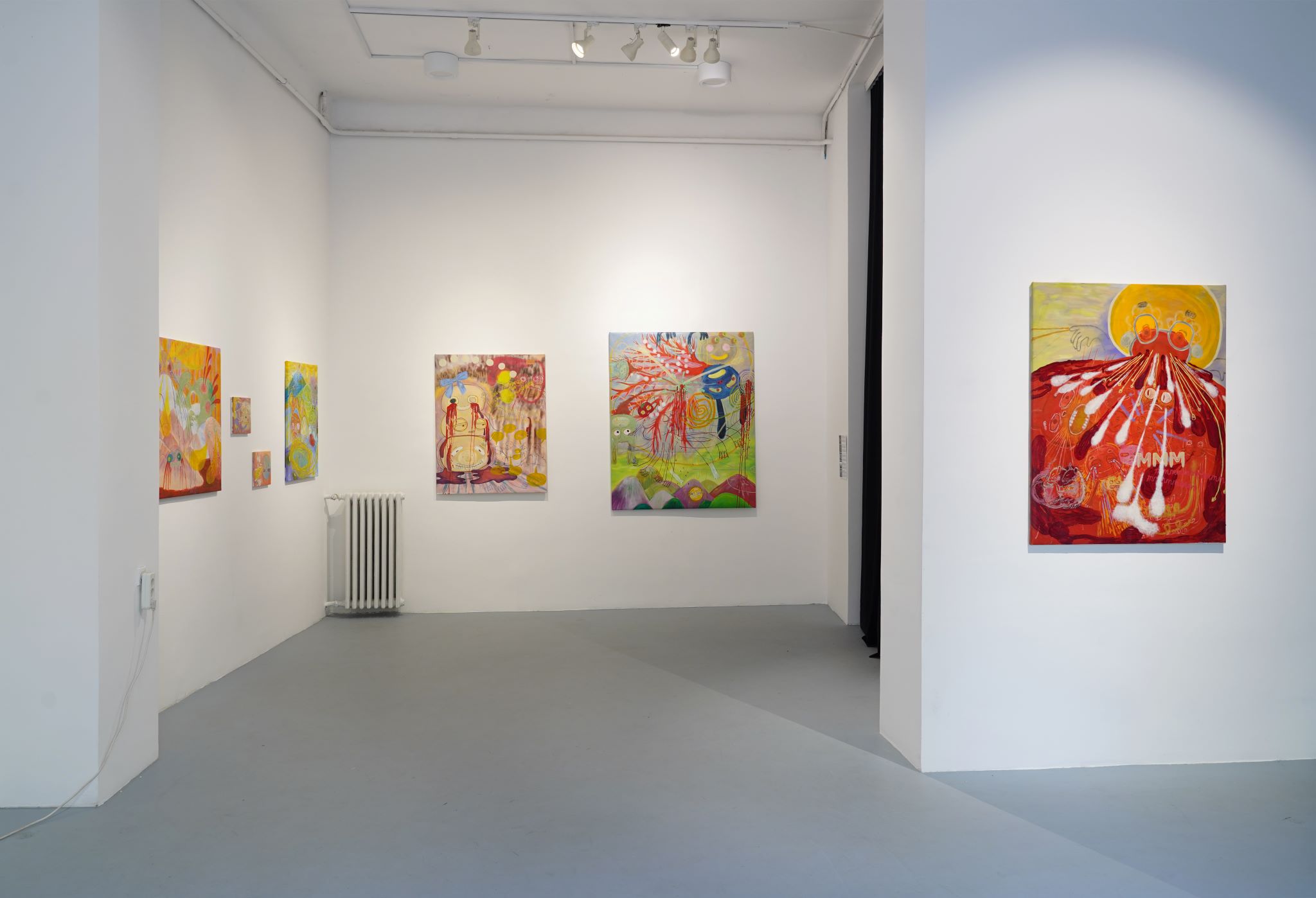
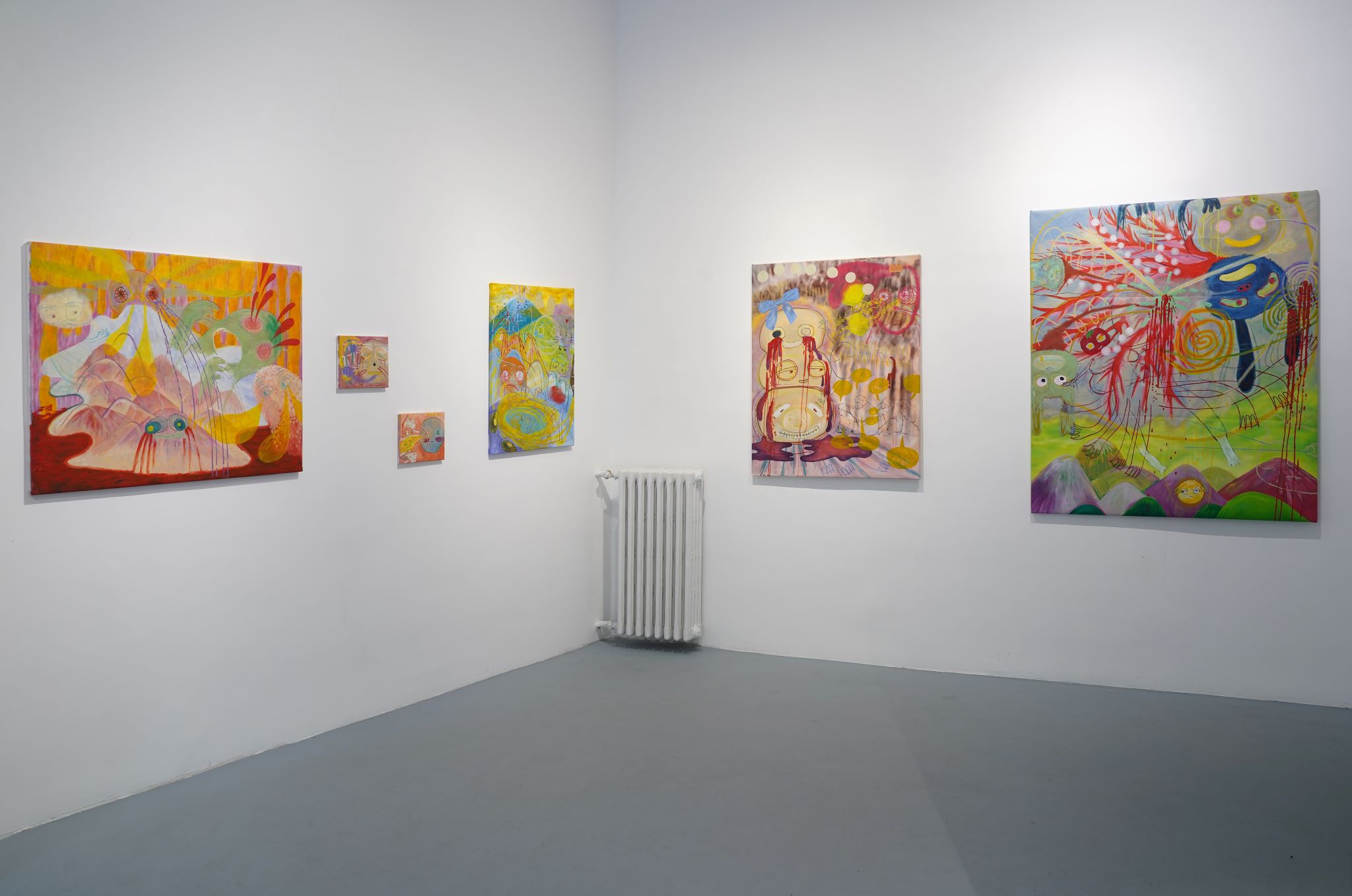
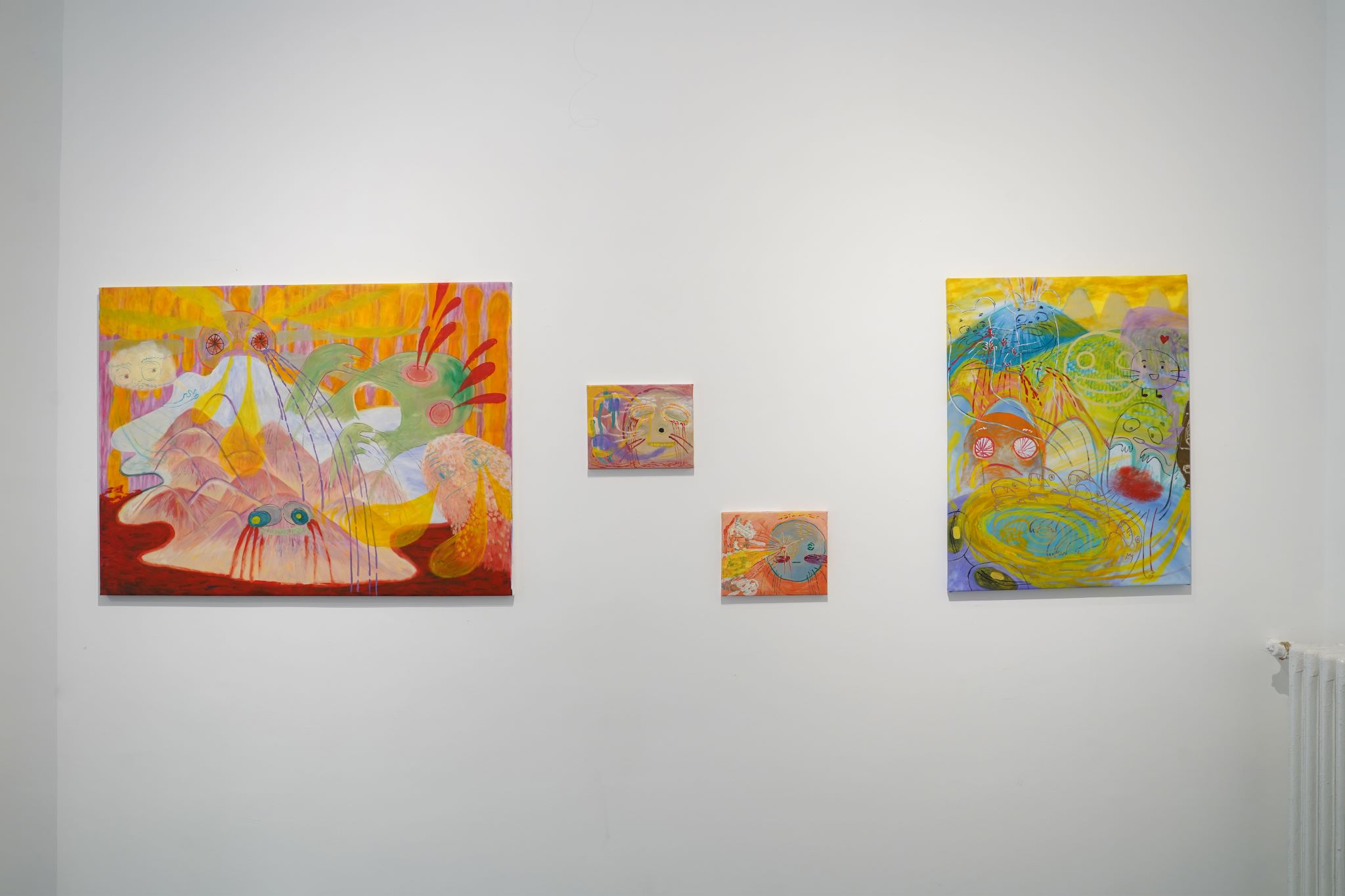
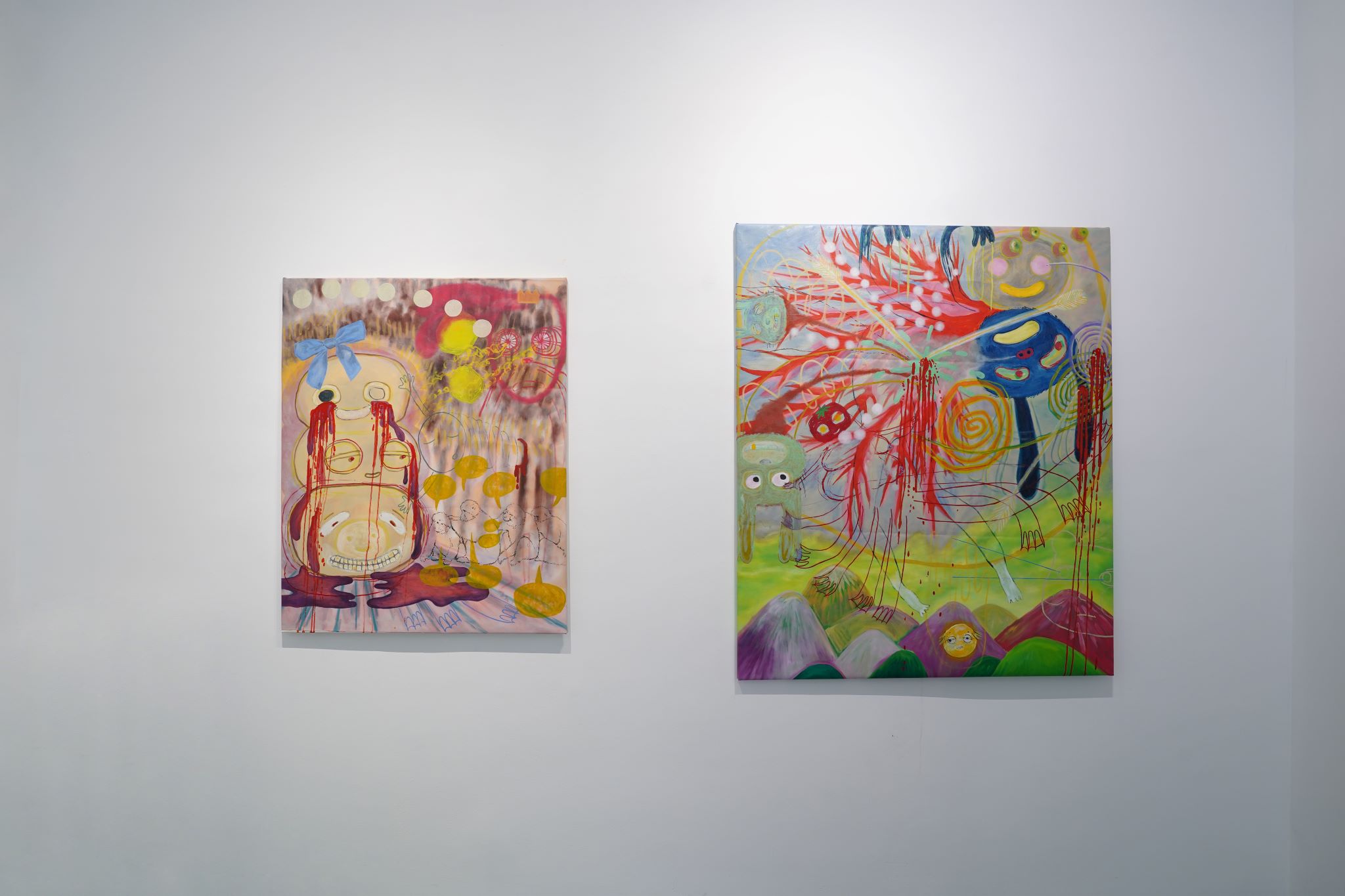
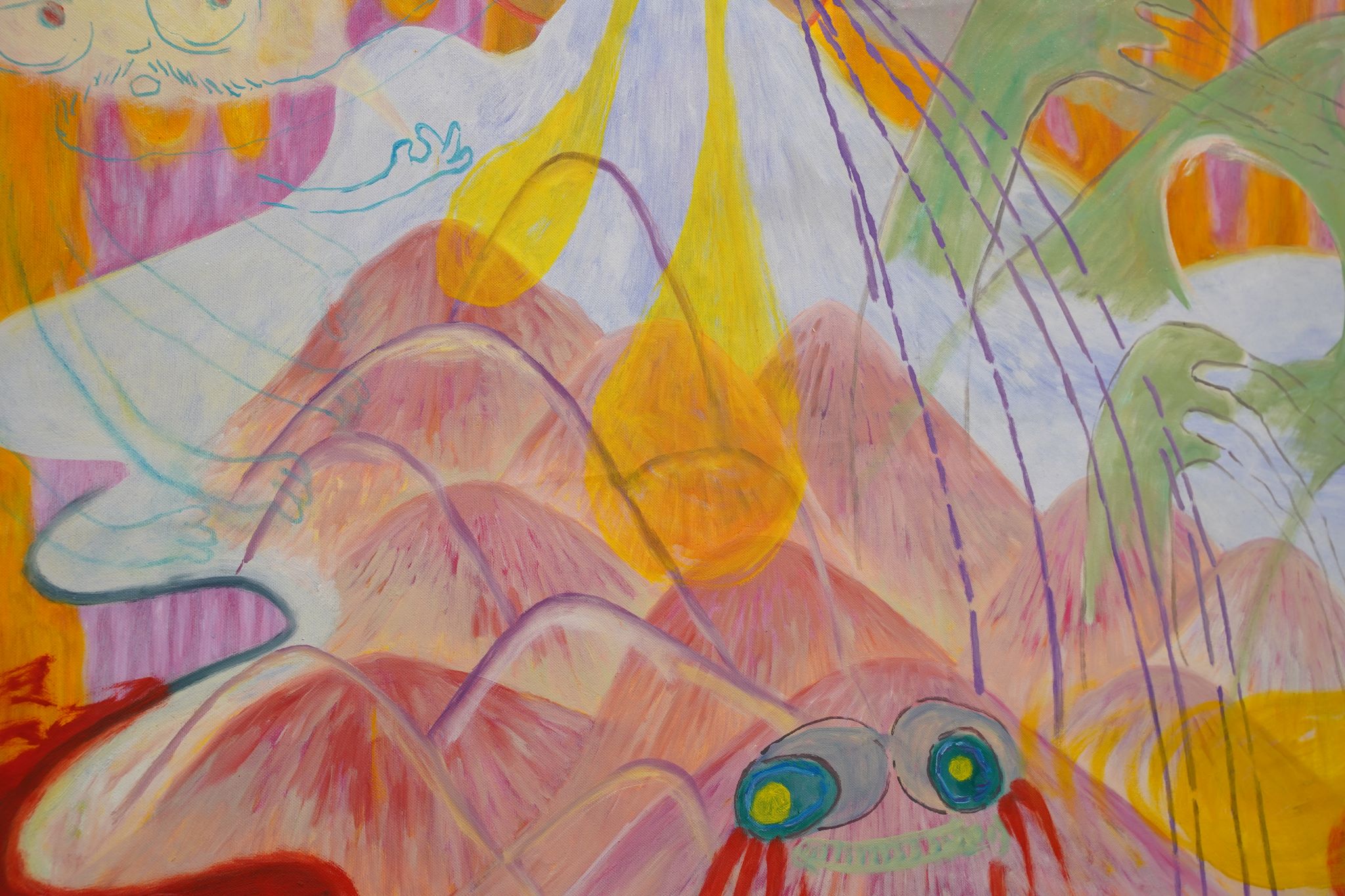
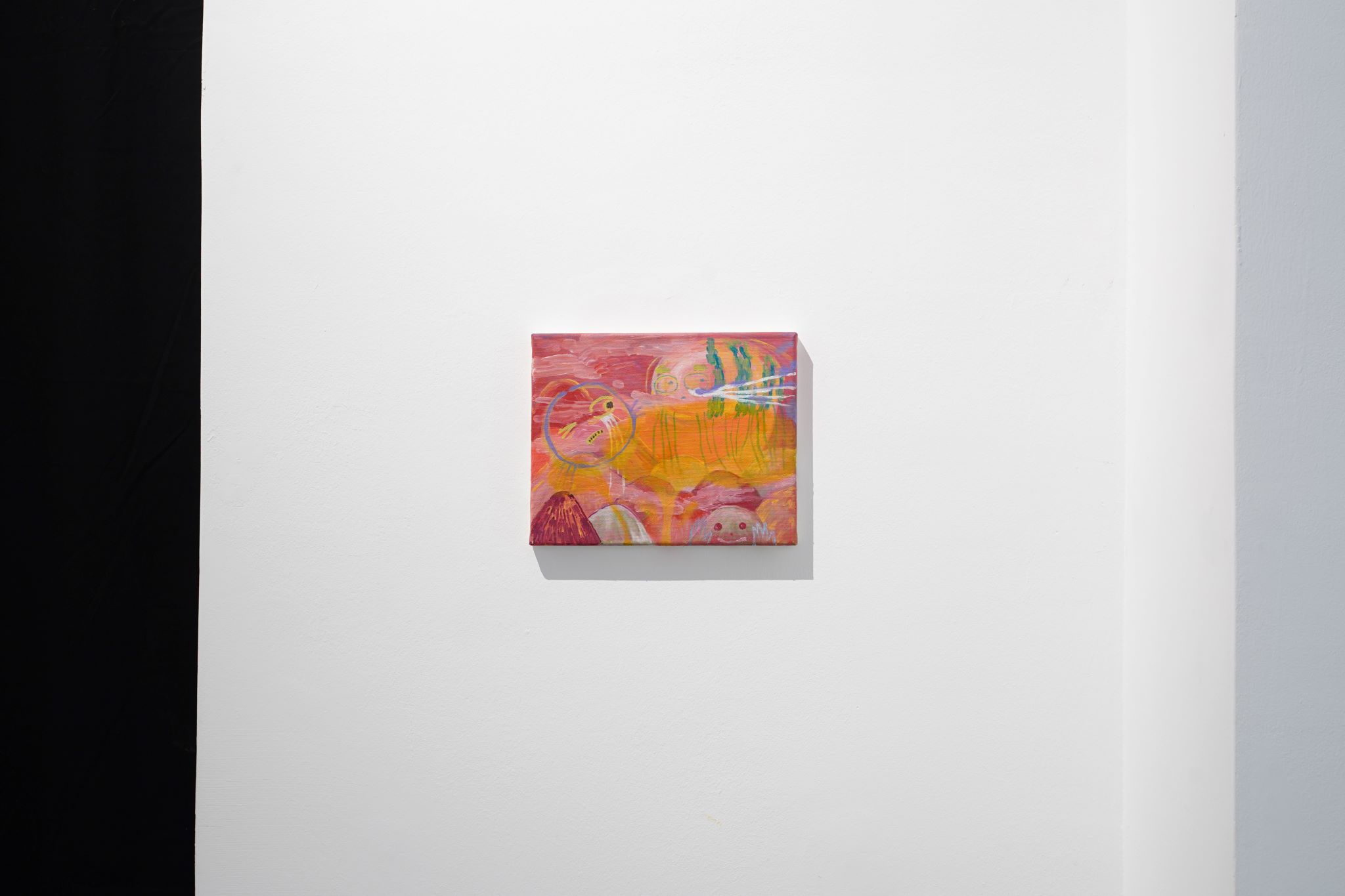
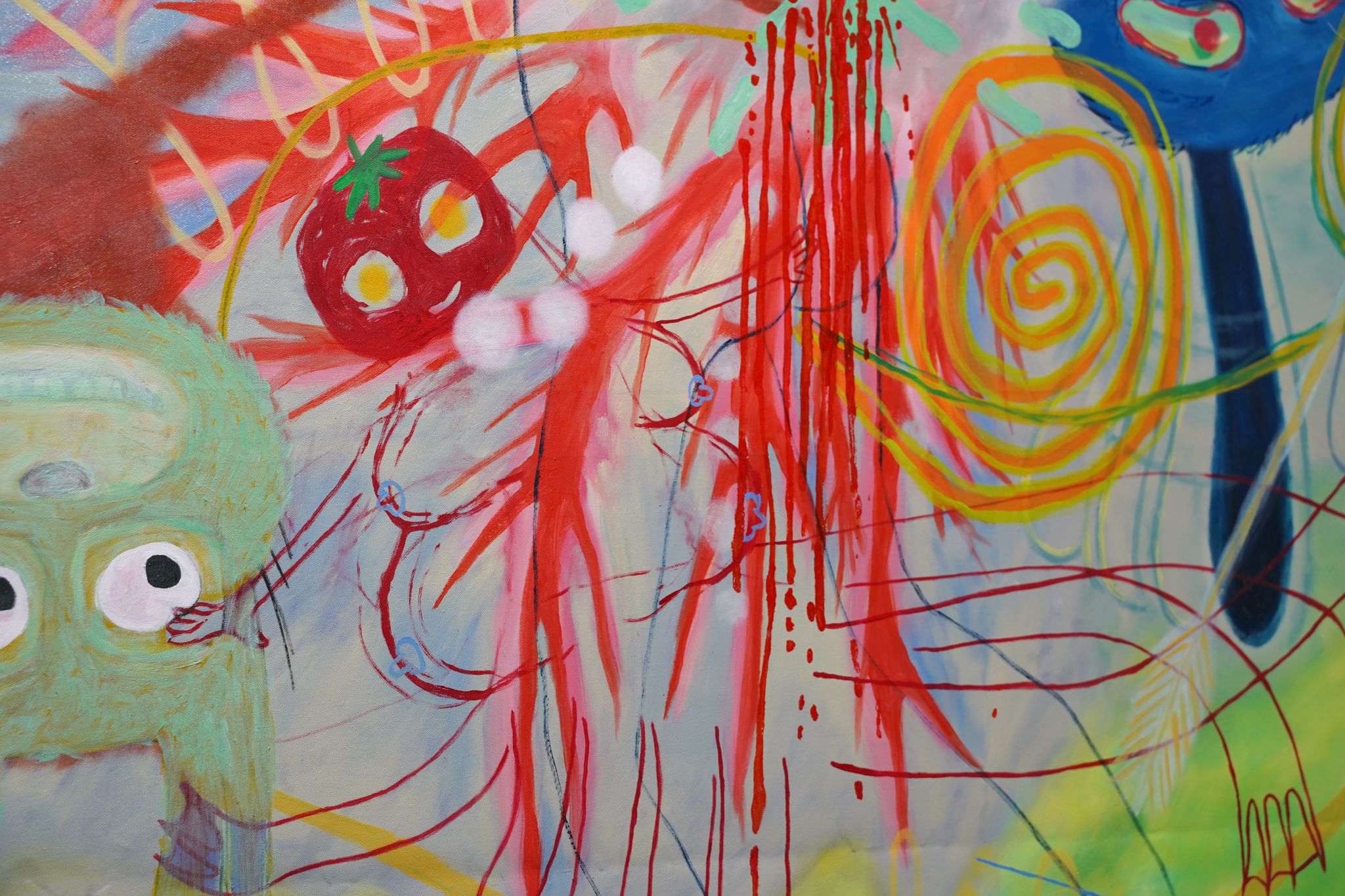
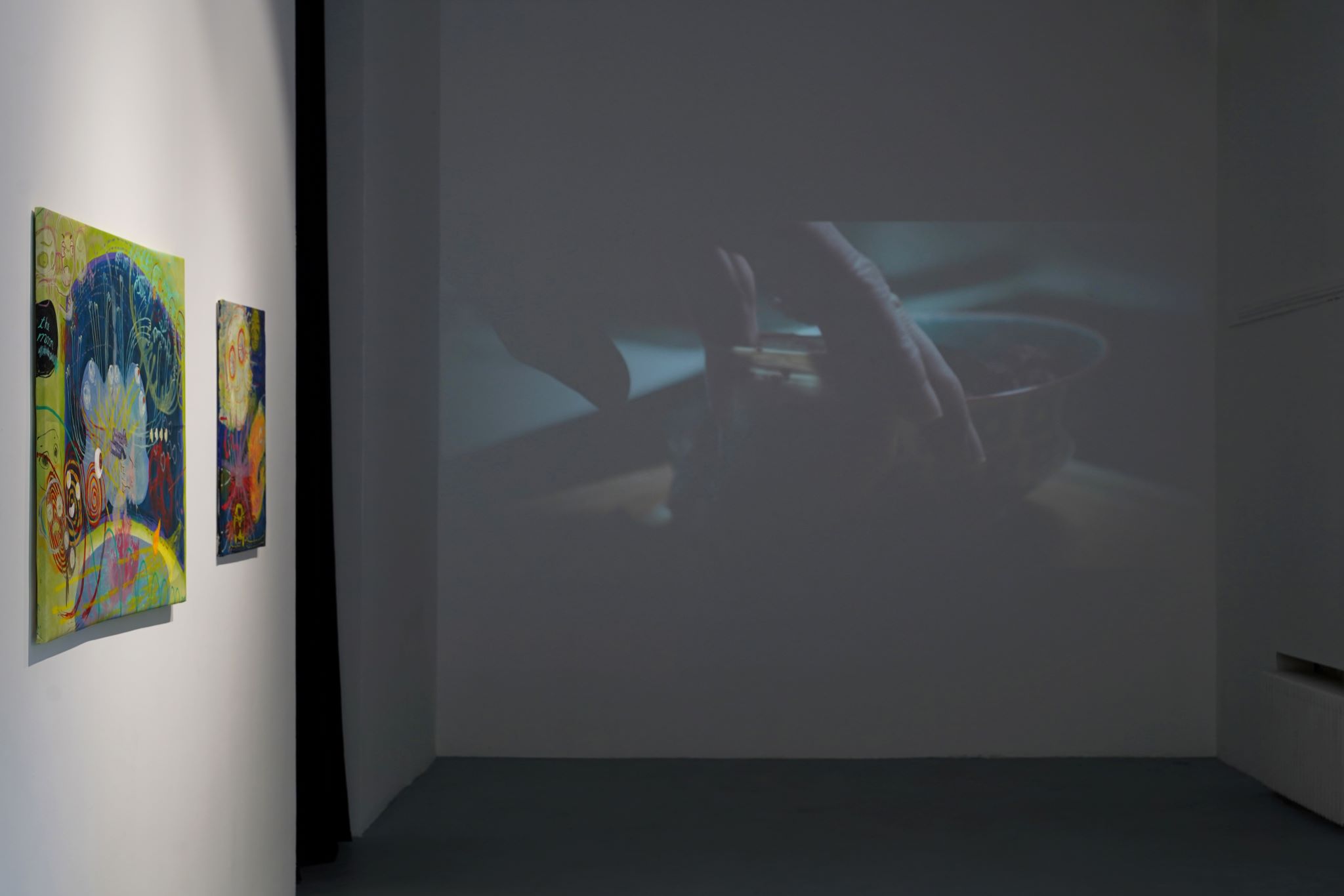
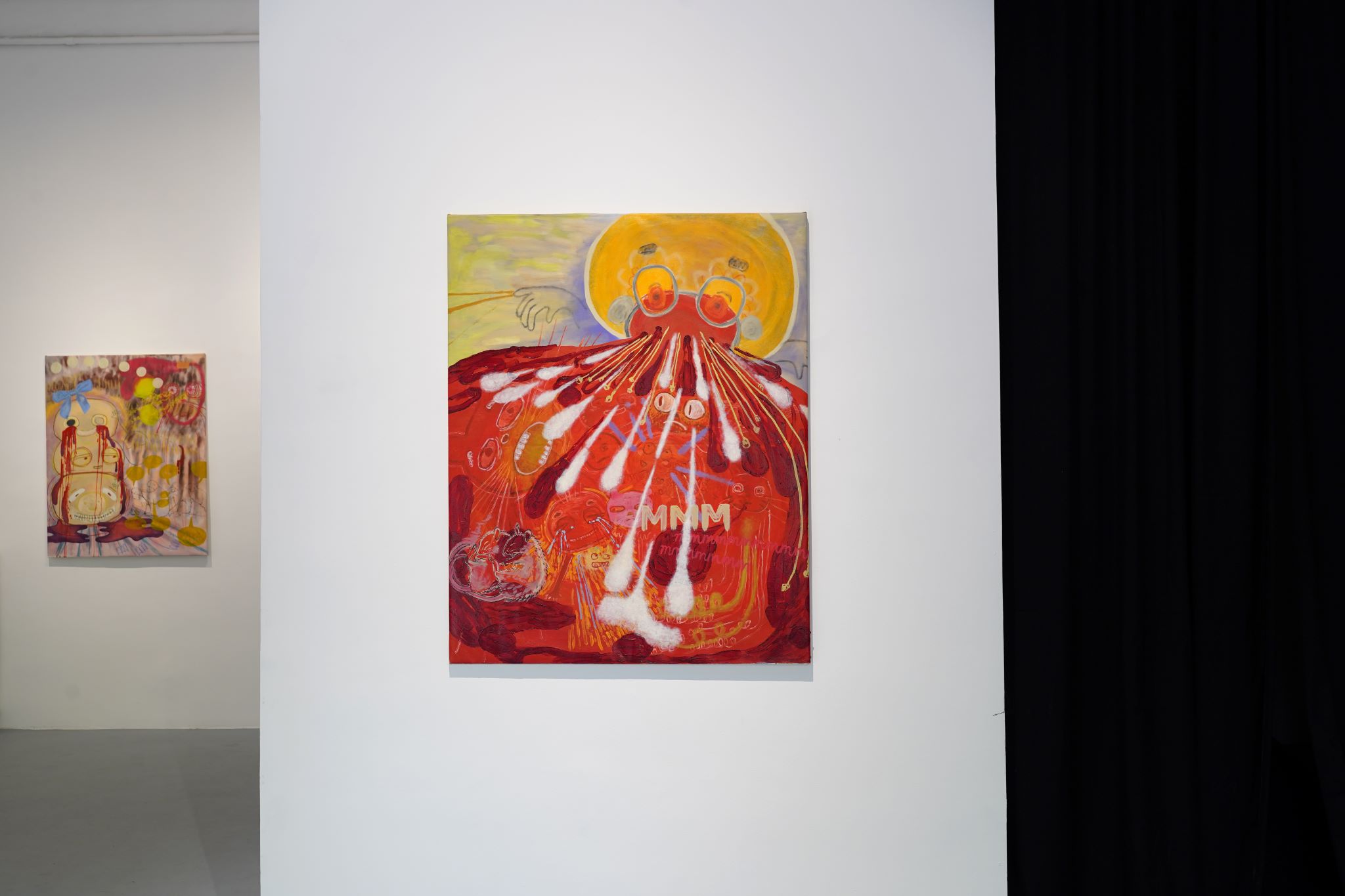
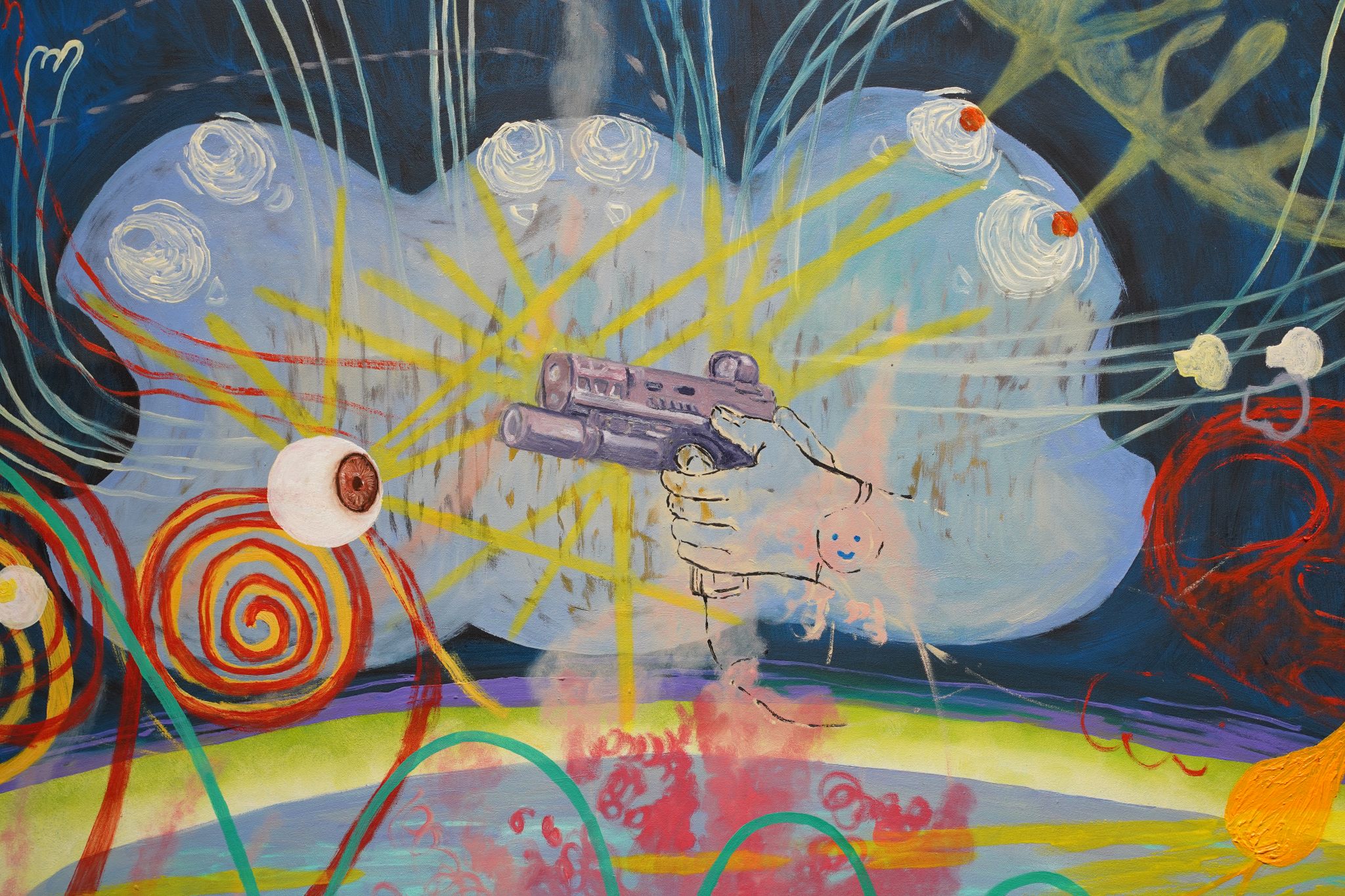
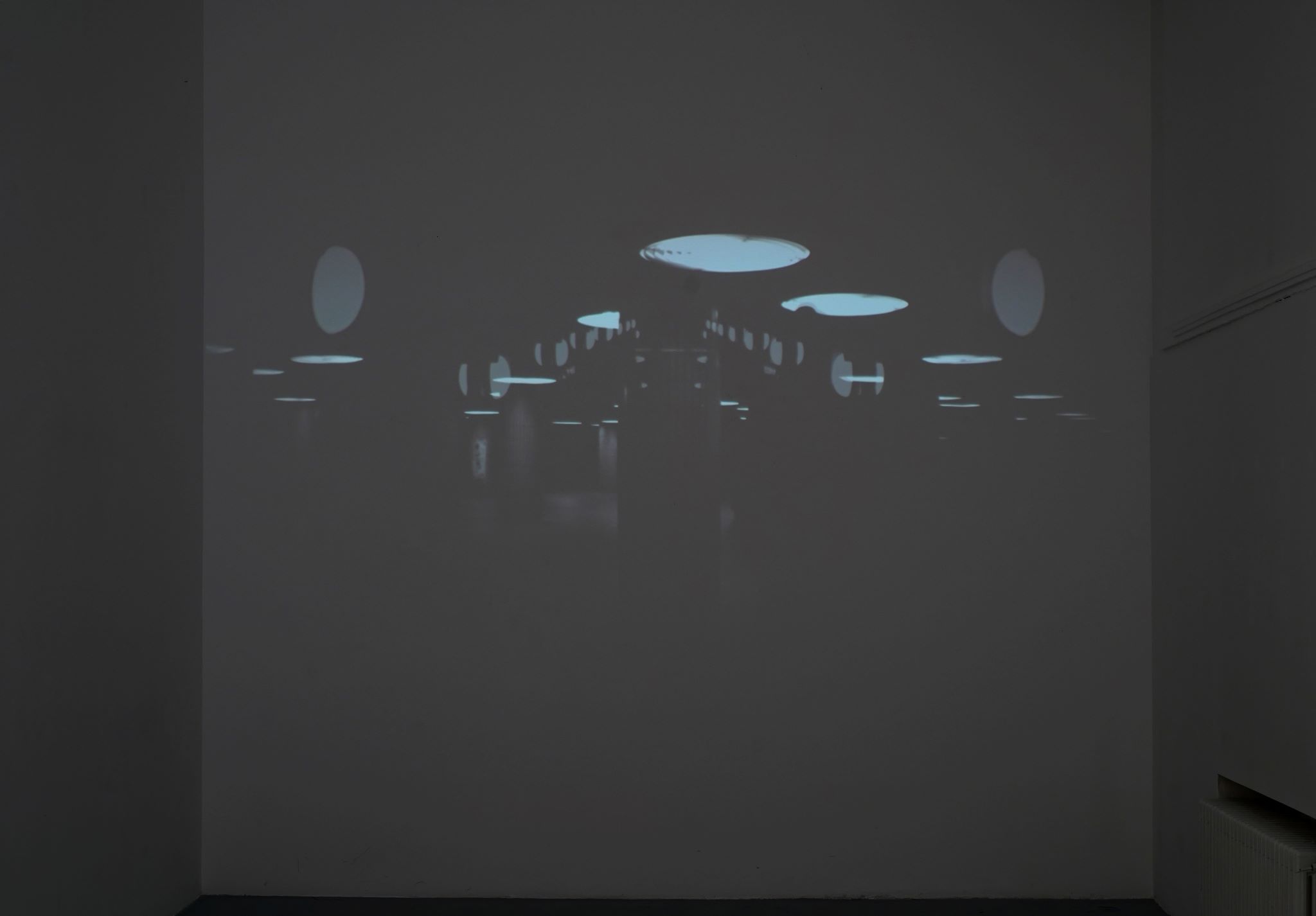
The idea of emotional pressure slowly settling and receding is inherent in the works of both artists. Nozomi’s paintings are filled with expressions of a macabre nature and dark humour, offering a cathartic yet uncomfortable look into the internalised anxieties and depressive undercurrents of a society obsessed with productivity, performance, and the illusion of individualism. Similarly, Lee’s films depict characters caught in existential cycles such as self-hatred, emotional detachment or societal disconnection. These are often illustrated through surreal or absurd narratives. His stories like Blood Moon or Solo focus on the individual’s psychological unraveling amidst the backdrop of a fast-paced, indifferent world, paralleling Nozomi’s visual expression of emotional claustrophobia and fear.
Both artists use irony and absurdity not to escape from reality, but to confront it more directly. Nozomi’s humour breaks the surface of her intense, horror-laced compositions, just as Lee’s ironic framing lays bare the tragic absurdities of modern life, particularly in hyper-competitive environments like South Korea. A clear example for such would be the suicide support service in Suitable Circularity Deeds. This thematic overlap reveals a shared critique: that under the pressures of systemic speed, competition, and alienation, human emotion is not only marginalised, but often pathologised.
Additionally, both artists explore the conflict between internal desire and external expectation. Nozomi’s figures seem trapped between the urge to “break out” and the pull of systemic conformity, while Lee’s characters wrestle with love, connection, and identity in the midst of societal fragmentation. Whether through a figure melting into abstraction of a protagonist who can’t speak more than “yes” or “no”, both artists portray characters who are emotionally muted or disoriented in the face of overwhelming systemic forces.
In essence, Juliana Nozomi and Jaiyun Lee articulate, in different forms and aesthetics, the same deeply resonant truths: that the modern condition is one of speed without direction, connection without depth, and identity under siege. Their works either ask whether there is a way out of this cycle or if, in recognising its absurdity, we might begin to reclaim a more human, vulnerable, and meaningful existence.
Photos by: N. Ivanović