
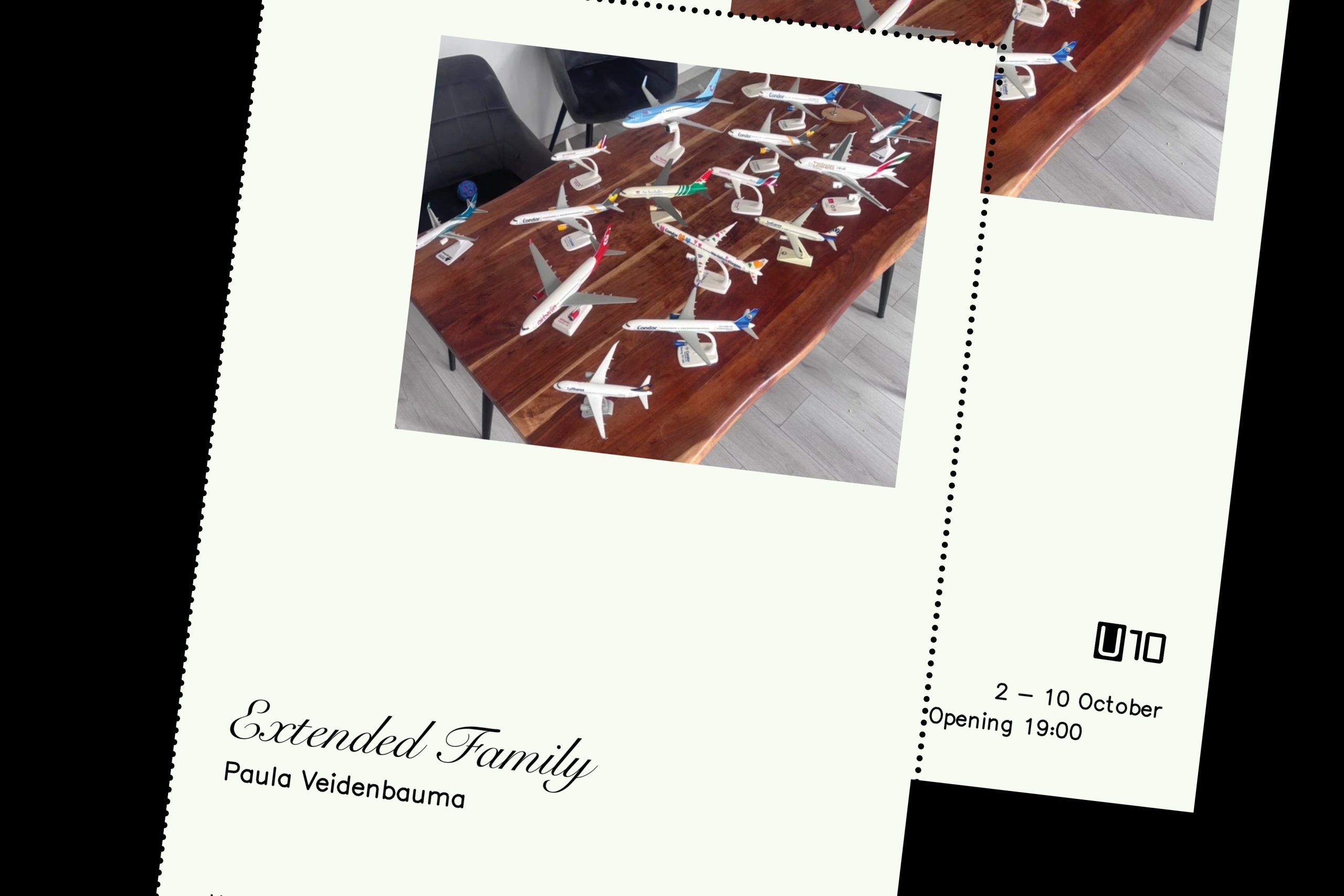
Extended Family
Interterritorial Teleportation Urbanisms:
Riga Waterfront meets Belgrade Waterfront
In May 2024, Eagle Hills, a Dubai-based developer whose portfolio includes the world’s tallest building, Burj Khalifa, publicly announced that the company was investing three billion euros in “Riga Waterfront”, a waterfront development complex on the right bank of the river in Latvia’s capital city. At the launch event, which took place in the former Riga passenger port terminal, the investors highlighted that the project would frame the collaboration between the United Arab Emirates and Latvia around a shared strategic vision of developing Latvia and its capital, Riga, and transforming it into ‘Europe’s new centre’. They write, “The aim is to turn the site into a vibrant hub that offers a harmonious blend of luxury residential buildings, green spaces, and an active community life with a direct waterfront view.”[1]
The deal was made possible in part because Ainārs Šlesers, a prominent Latvian businessman (often called an ‘oligarch’) and politician, and his family hold the land rights to the area. These rights date back to the 1990s, following the restoration of Latvian independence, when the state introduced privatisation certificates as a way of transferring ownership of not only land, but also state-owned companies and infrastructure into private hands. As long as investors from the United Arab Emirates are able to reach a favourable agreement with Šlesers and his close ones, the possibility of building a luxurious and largely exclusive new urban development remains open.
Šlesers, who is once again relaunching his political career with a new election campaign this year, continues to carry the nickname “Buldozers” (“Bulldozer”), a nickname that has become a familiar image on street corners across Latvia. His promotion visuals feature large construction work machines under the slogan “Let’s raise Latvia!”.
Riga Waterfront is a cousin of Belgrade Waterfront, that dates back to 2012 and which has by now largely taken shape. The project was announced for the first time at the peak of the election campaign. During a boat trip up the Sava River, Aleksandar Vučić revealed the plan to his guest, Rudolph Giuliani. The project was picked up by Abu Dhabi’s Eagle Hills. The masterplan, proposing to demolish most of the Savamala neighbourhood along the Sava River in Belgrade, was presented in Dubai in 2014. Soon, posters reading “Welcome to the city of Eagle Hills and Belgrade Waterfront” started appearing around the city. The Belgrade general plan was to be changed. The State approved the ‘Lex Specialis’, a special exception law allowing to develop the riverside. Measures such as treating the riverbanks separately and repealing the obligatory architectural competition, among others, were adopted. The demolitions started rapidly. Architecture theorist Linda Lackner defines the case as an example of a ‘post-political’ city.[2]
Mayday, Mayday
Both Riga and Belgrade first launched showrooms: rendering-filled spaces with portraits of Dubai developers on the walls, the pricing and buying information: upon request via a one-to-one presentation. The language of both projects corresponds to an increasingly fractured relationship with the geographic cities they have intruded: Riga and Belgrade. As I approach a seller at Riga Waterfront, he tells me “there will be no bad neighbours around”.
In many ways, these developments, para-Dubai-s, operate as teleportation devices. They do not develop a relationship with the democratic city, but instead arrive as already imagined urban worlds, imported through renderings, investment and murky land deals. The teleportation urbanism precedes the city, operating as an intraterritorial unit: a lex specialis para-capital. The architecture, tied to ‘golden visas’ and investment possibilities, grants arrival cards even if stuck in air. Sand castles of the European East, sinking into a growing luxury real estate market.
[1] Emirates News Agency, “Eagle Hills Launches ‘Riga Waterfront’ Project in Latvia with Investments Exceeding €3 Billion,” May 23, 2024.
[2] Linda Lackner, Belgrads Radikale Ränder (Hamburg: adocs, 2020), 215.
